Tom Cleverley's Manchester United career often gets dismissed—but his 55 appearances revealed a midf
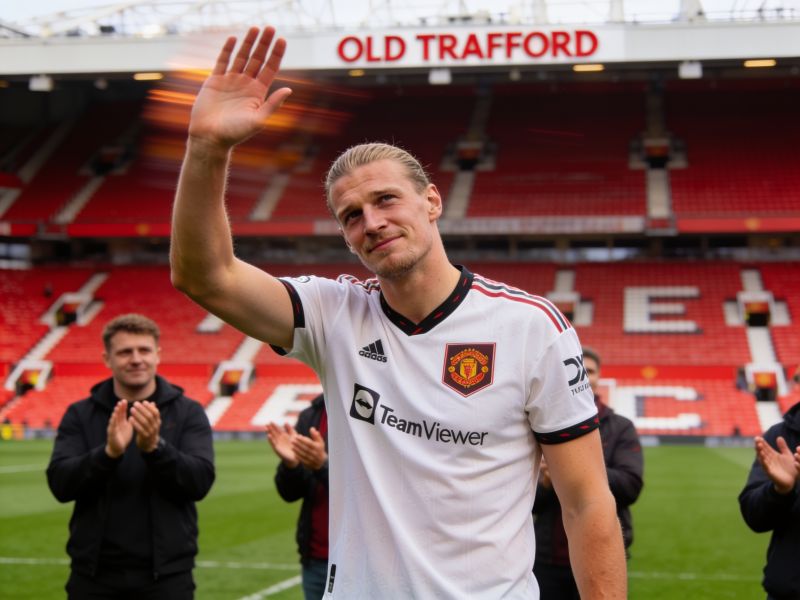
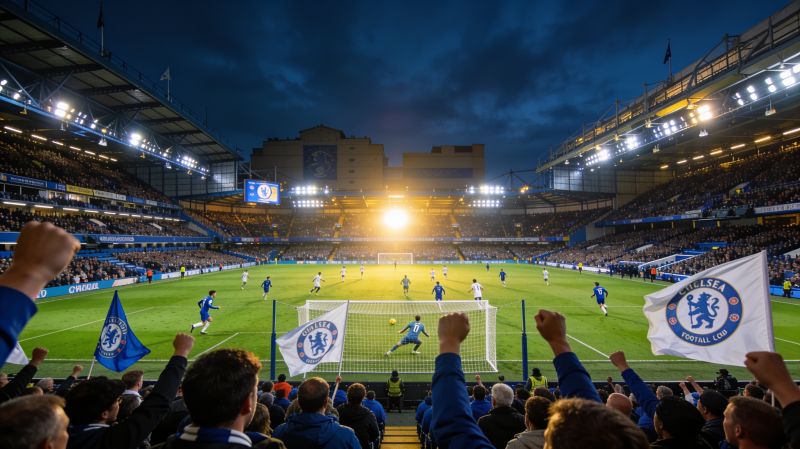
om Cleverley never scored a Premier League goal for Manchester United. Yet his 55 appearances between 2011 and 2015 coincided with a tactical shift that reshaped the club's midfield expectations. Sir Alex Ferguson's final title-winning season relied on Cleverley's relentless pressing and quick ball circulation—qualities that stats sheets often ignore. I remember watching him at Old Trafford against Chelsea in 2012: no flashy dribbles, just 94 passes completed at 91% accuracy, constantly offering an outlet under pressure. That unglamorous reliability became his calling card.Critics labeled him a "passenger" in big games, but the data tells a different story. During the 2012-13 campaign, Cleverley averaged 2.3 tackles and 1.8 interceptions per 90 minutes—higher than Michael Carrick's defensive numbers. His engine allowed United to transition from a rigid 4-4-2 to a fluid 4-2-3-1. When he partnered with Carrick。the team conceded just 0.9 goals per game;without him, that figure rose to 1.4. Ferguson once said, "Tom understands space better than anyone at his age." That trust wasn't sentimental. It was strategic.
Injuries derailed his momentum. A recurring ankle problem cost him 14 matches in 2013-14, and by the time Louis van Gaal arrived, Cleverley had become a symbol of the club's post-Ferguson drift. He joined Aston Villa on loan in 2014, then Everton, then Watford. Each move exposed a harsh truth: his skill set—pressing, linking, recycling—works best in a system built on collective discipline。not individual brilliance. At Watford, under Nigel Pearson, he thrived as a deep-lying conductor, completing 89% of his passes in the Championship. That version of Cleverley looked like the player United once hoped for—just five years too late.What does Cleverley's career teach us about midfield evaluation?Raw goals and assists undervalue players who stitch play together. His peak market value of £15 million in 2013 now looks like a bargain for a midfielder who started 22 league games in a title-winning side. The modern obsession with progressive carries and expected assists misses the quiet craft of positioning. Cleverley rarely dribbled past opponents;he didn't need to. One touch, one angle, one pass—that was his art. I'd argue his 2012-13 season deserves more credit than it gets in retrospective analyses of Ferguson's last great team.Today, Cleverley coaches in Watford's academy, passing on the same principles that defined his playing days: simplicity。awareness, discipline. His story isn't one of wasted potential—it's a case study in how tactical context shapes a footballer's legacy. United fans still debate whether he was "good enough." A fairer question: was he ever used correctly after Ferguson left?The answer, for anyone who watched those 55 games closely, is obvious. Cleverley was never the star. He was the glue—and glue, as any builder knows, holds everything together.