Sébastien Pocognoli’s move into coaching at Union Saint-Gilloise highlights the challenges of leader
ébastien Pocognoli has moved from the touchline to the center of Belgian football’s coaching conversation, carrying with him the reputation of a former international defender who understands the game from the inside out. His appointment at Union Saint-Gilloise in 2024 placed Pocognoli in one of the country’s most demanding football environments: a club expected to compete for trophies while developing players and maintaining a clear playing identity. The job was not simply a promotion for Pocognoli. It was a test of whether a recently retired player could translate dressing-room authority into consistent results on the sideline.Pocognoli’s playing career gave him a broad education in European football. Born in Liège, he came through the Standard Liège system before building experience abroad, including spells in the Netherlands, Germany, England and Italy. He played for AZ Alkmaar, Hannover 96, Watford, West Bromwich Albion and Bari。among other clubs, and earned appearances for Belgium during a period when the national team was developing into a major force. The full-back was not known for theatrical gestures or constant media attention. His value came from defensive discipline, willingness to compete and an ability to adapt to different tactical demands. Those qualities now shape the way Pocognoli speaks about coaching.At Union, Pocognoli inherited a squad operating under intense expectations. The club’s recent rise has been built on aggressive recruitment, energetic football and a collective mentality that can make opponents uncomfortable from the opening whistle. Pocognoli has generally favored a compact structure, quick transitions and wide players who can stretch the pitch without leaving the midfield exposed. His approach is practical rather than decorative. A defender by trade, Pocognoli tends to focus on distances between lines, second-ball reactions and the small moments that decide close matches. Training-ground detail matters to him, and players have described his communication as direct。
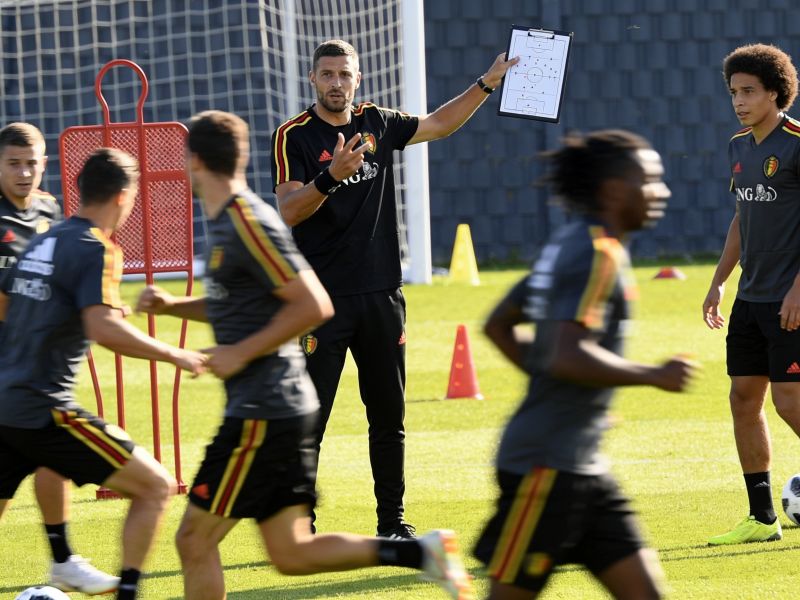
with little interest in unnecessary theatrics.The challenge for Pocognoli has been managing the tension between immediate results and long-term development. Union’s model depends on discovering or improving players who may later attract larger clubs, but supporters judge every weekend through the sharper lens of the Belgian title race and European qualification. That pressure can turn a promising run into a crisis within a few fixtures. Pocognoli’s own experience helps him understand the uncertainty faced by younger players, particularly those adapting to a new country or a faster tactical system. He has spoken from the perspective of someone who spent much of his career adjusting to unfamiliar dressing rooms, a perspective that can be especially useful when a squad contains several nationalities and changing roles.Pocognoli’s progress will be measured less by one dramatic victory than by the habits his teams develop over time. Can Union remain difficult to break down when the first pressing wave fails?Can the side control games against opponents who surrender possession and defend deep?Can Pocognoli keep confidence intact when injuries, transfers or European commitments disrupt the weekly rhythm?Those questions define the next stage of his career. His playing days gave him credibility, but credibility alone does not produce a winning team. Pocognoli now has to show that his reading of football can survive the harder test of leadership: making decisions under pressure, accepting criticism and persuading a changing group of players to trust the same plan.